
01
Third Party
Essential cover for damage caused to other people, vehicles and property.
Motor insurance · Cyprus
01Coverage levels, documents and what to prepare — including imported vehicles. No instant promises, just clear next steps.
Coverage options
02Three clear levels, from the legal essential to broader protection for your own car.
Essential cover for damage caused to other people, vehicles and property.
Third-party protection, with cover if your car is stolen or damaged by fire.

Our broadest level of cover for your car as well as damage caused to others.
How it works
03Tell us where the car is now, whether it already has Cyprus plates, and its make, model, year and intended use. Those few facts let us begin in the right place before asking for documents.
Imported vehicles
04An imported vehicle is not handled exactly like a locally bought car. Registration status, value and specification all shape the answer.
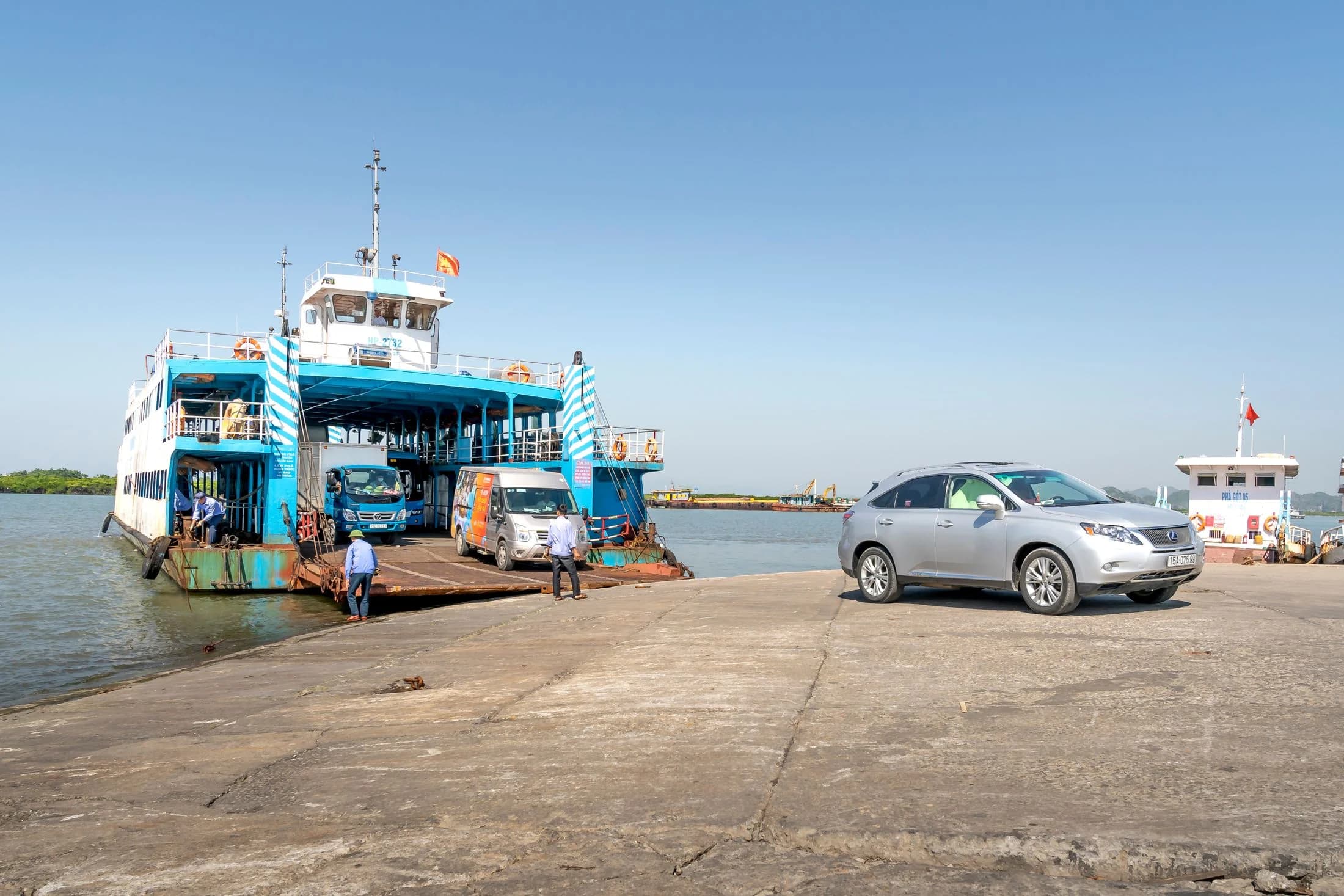
Cover can usually be arranged on the chassis number while the vehicle is waiting for Cyprus plates.
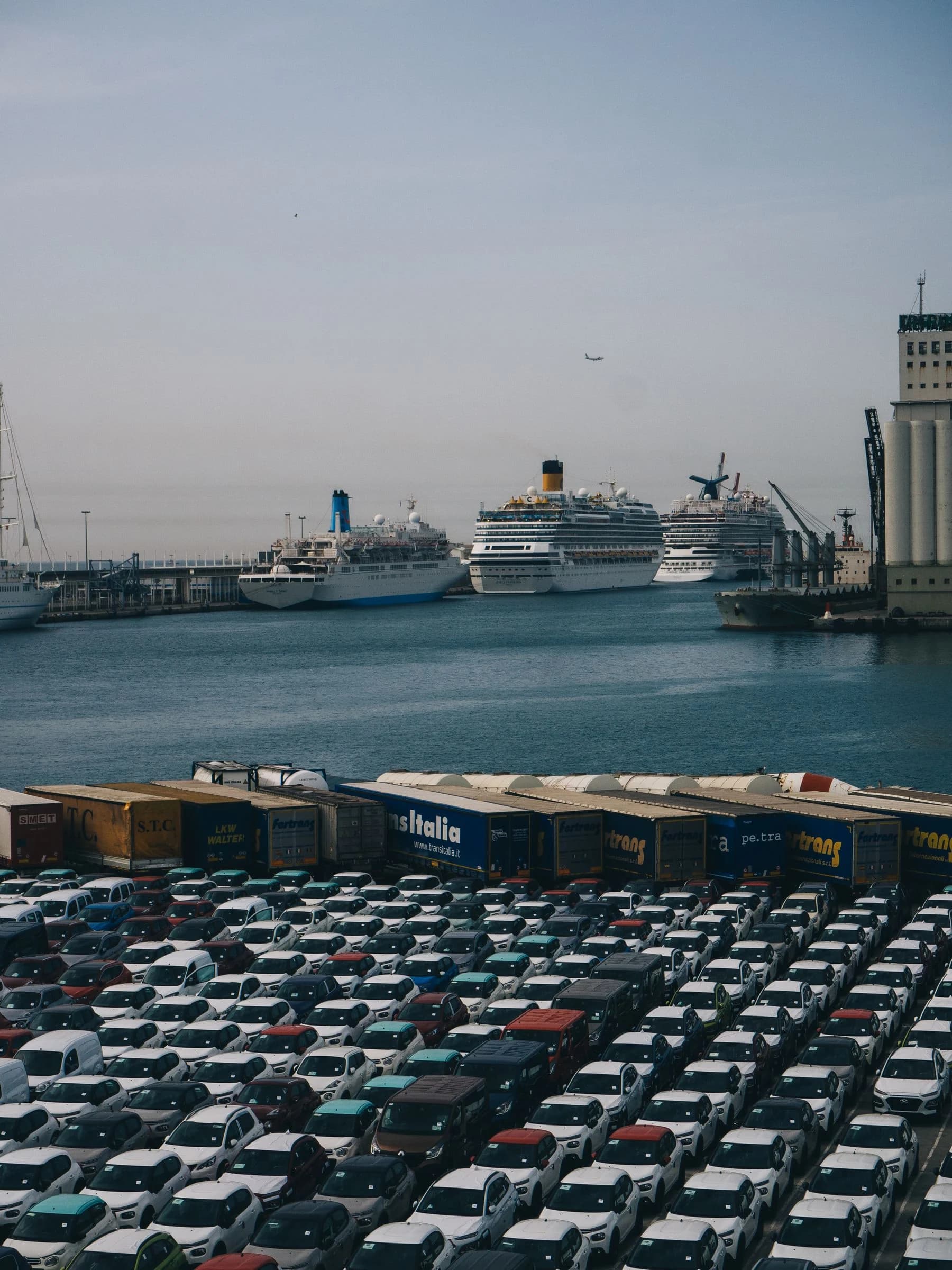
Purchase documents, auction sheets, specification and comparable sales help establish the right figure.

A car outside local rating tables may need an underwriter to consider parts, repairs and specification.
The sequence
05Road tax cannot be paid without valid motor insurance. The Road Transport Department portal checks your policy automatically against the Motor Insurers' Fund database, so an expired policy stops the payment going through.
What shapes the answer
06The price and conditions are built from the car, the people who drive it and the cover being requested. There is no single rate that applies to every driver.
The vehicle — make, model, year, body type, engine size and value.
How it is used — private or commercial.
The drivers — licence history, who else drives it, and previous claims.
The level of cover you choose, and any added options.
The excess — the agreed part of a claim you pay yourself.
The insurer's own underwriting rules, which differ from one company to the next.
What to prepare
07Start with the essentials. Anything else can follow once we know the car, the driver and where the vehicle is now.
For every driver you want included on the policy.
Registration number — or the chassis number while the car is being imported.
Your current policy or no-claims record, if it is available.
Useful for confirming value and specification before local registration.
Special cases
08Some vehicles and drivers need a closer look before terms can be offered. Open the situation that applies to you.
Whether you can be insured, and what evidence is needed, depends on the validity of the licence and on the insurer's own rules. Bring your licence history and any no-claims record from your previous country — it is often worth more than people expect.
Terms usually reflect a combination of factors rather than age alone. The vehicle, experience, licence history and intended use are considered together.
The insurer may ask for additional details, an inspection, a specific excess or security measures before offering terms.
Expect questions about registration status, value, specification and the right to use the vehicle in Cyprus. If it has not been registered here yet, see the imported vehicles page.
Practical guide
09Safety comes first. Then record what happened and follow the instructions attached to your policy.

Stop, put your hazard lights on and check whether it is safe where you are.

If anyone is injured or in danger, call 112 or 199.

Call your insurer or the assistance number printed on your policy, and follow their instructions.

Photograph the vehicles, registration numbers and damage, and collect contact details from everyone involved and any witnesses.

Report the accident in the way and within the time your policy requires. Do not accept responsibility before the circumstances are established.
This is a general guide. Your insurer's instructions and the emergency services take precedence over anything on this page.
Rejected risks
10Ask each company for its refusal in writing. After three written refusals you can approach the Motor Insurers’ Fund, which follows a set procedure and may refer you to the Cyprus Hire and Rejected Risks Pool.
The Pool provides compulsory cover for the categories of risk it is set up for. It is not a state insurance company and it is not comprehensive cover.
Do not drive until you have valid cover in place.Open the official MIF guidanceThe terms
11This is the part of motor insurance that surprises people, and it is the reason there is no price on this page. Two drivers with the same car can be offered very different terms.
The excess can be higher than expected, and it is sometimes written as a percentage of the claim with a minimum amount — which means small damage may not be covered at all in practice.
Terms can be personal. A policy can carry one excess generally and a higher one for a specific named driver.
Restrictive clauses are added by the insurer as a condition of accepting the risk. They appear most often on high-value, non-standard and imported vehicles, with young drivers, and where the licence was issued abroad.
ExampleA policy might set the excess at 25% of each claim with a minimum of €5,200. Below roughly €20,800 of damage, the minimum applies rather than the percentage — so the insurer pays nothing on anything smaller. Cover of this shape protects against a serious loss, not a scraped bumper.
These conditions are set by the insurer, not by us. What we can do is tell you what has been applied and why, before you commit to anything.
Frequently asked questions
12The useful details, without vague promises or insurance jargon.
Request a quote
13Share the essentials. We will review the details and come back with the clearest next step within one working day.